What is Chamber Music?
When we think of classical music, we often picture a massive stage filled with dozens of musicians following the sharp movements of a conductor’s baton. But there is another, more intimate side to the classical world—one that relies entirely on intense teamwork, deep listening, and individual expression.
This is chamber music, often described by historians as “the music of friends.”
For the Orchestre Symphonique des Jeunes de Vaudreuil-Soulanges (OSJVS), chamber music isn’t just a genre; it is a foundational pillar of how we train the next generation of musical talent in our community.
Defining Chamber Music: An Intimate Dialogue
Historically, chamber music was composed to be performed in the private rooms (or “chambers”) of homes and palaces rather than grand concert halls.
What sets chamber music apart from a full symphony orchestra?
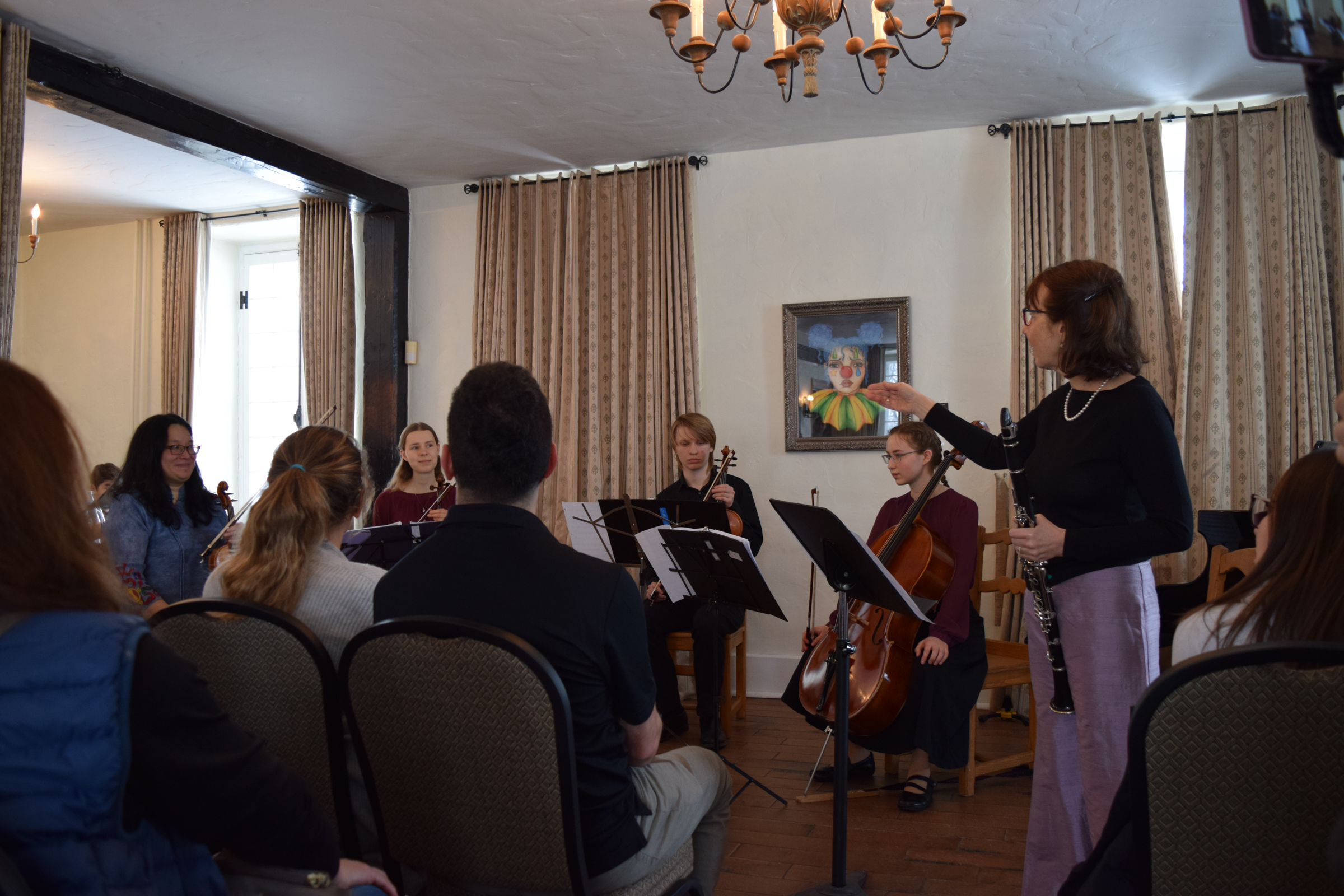
- No Conductor: In a chamber ensemble, there is no baton to follow. The musicians must communicate using eye contact, subtle body language, and acute listening.
- One Player per Part: In a full orchestra, an entire section of twenty violins might play the exact same notes. In chamber music, every single musician plays a completely unique part. There is nowhere to hide, making every note critical.
- Small Groups: Ensembles typically range from two to nine players. Common formats include duos, piano trios, and string quartets.
Why OSJVS Champions Chamber Music for Youth
At OSJVS, our mission extends beyond teaching notes on a page; we build community. We heavily encourage our young musicians to step out of the large orchestra format and collaborate within smaller chamber music groups.
This deliberate focus provides immense benefits for our youth:
1. Mastering the Art of Collaboration
Without a conductor to dictate the tempo, chamber music forces players to work together as true equals. Musicians must learn when to lead with their melody and when to step back and support their peers. It is the ultimate exercise in team-building and mutual respect.
2. Boosting Individual Confidence
Because there is only one person playing each musical line, students develop incredible accountability. This environment rapidly accelerates their technical skills, intonation, and rhythmic independence, turning them into highly mature performers.
3. Finding an Expressive Voice
In a smaller group, a student’s personal artistry shines. They have a direct say in how a musical phrase is interpreted, giving them a profound sense of ownership over their music.
Chamber Music: History
Chamber music emerged as an independent genre during the Renaissance (15th and 16th centuries) in the royal courts of Europe (primarily Italy, France, and Germany).
Before the concept of a modern “orchestra” existed, courts categorized instruments into two groups:
- Haut” (Loud): Trumpets, drums, and pipes used for outdoor festivals.
- “Bas” (Soft): Viols, lutes, and flutes meant for intimate indoor gatherings.
These “soft” indoor ensembles evolved into “Consorts” small groups of musicians playing together in a private room. The term itself was formalized in the 17th century by Italian theorist Marco Scacchi, who divided all music into three pillars: Musica ecclesiastica (church), Musica theatralis (theater/opera), and Musica cubicularis (chamber music). You can learn more about the rich history of Chamber music.
The Pioneers
While chamber music evolved organically out of French songs (chansons) and Italian dances, specific composers standardized the forms we play today.
Arcangelo Corelli (1653–1713)
In the Baroque era, this Italian master popularized the Trio Sonata (usually two violins and a basso continuo like a cello and harpsichord). Corelli proved that instruments alone could carry a dramatic, conversational story without needing singers.
Joseph Haydn (1732–1809)
Haydn is universally acknowledged as the “Father of the String Quartet.” While working as the court composer for the wealthy Esterházy family, he took the string quartet format (two violins, a viola, and a cello) and revolutionized it. Instead of the first violin playing the melody while the other three instruments just played boring background chords, Haydn made all four instruments equal partners in a conversation.
Wolfgang Amadeus Mozart & Ludwig van Beethoven
Mozart famously played string quartets with Haydn (Mozart played viola, Haydn played violin) and dedicated six masterpieces to him. Beethoven later took the genre and pushed it to its absolute emotional limits, moving chamber music out of private palace rooms and onto the public concert stage in the 19th century.
From the “Palace Living Room” to the Public Stage
Originally, chamber music was written for amateurs. Wealthy aristocrats bought sheet music to play with their friends on a Friday night.
However, in the 19th century, two major things changed:
- The Industrial Revolution & Fall of Aristocracy: Composers could no longer rely on a single rich prince to pay their salary. They began selling music to the public and hosting ticketed concerts.
- Instrument Improvements: Luthiers began modifying violins, cellos, and bows to make them louder so they could project in large civic halls.
This transition from intimate, private sight-reading to highly complex, professional public performances is the exact tradition that OSJVS honors when taking students to perform at Maison Trestler.


Intimate Chamber Music at Maison Trestler
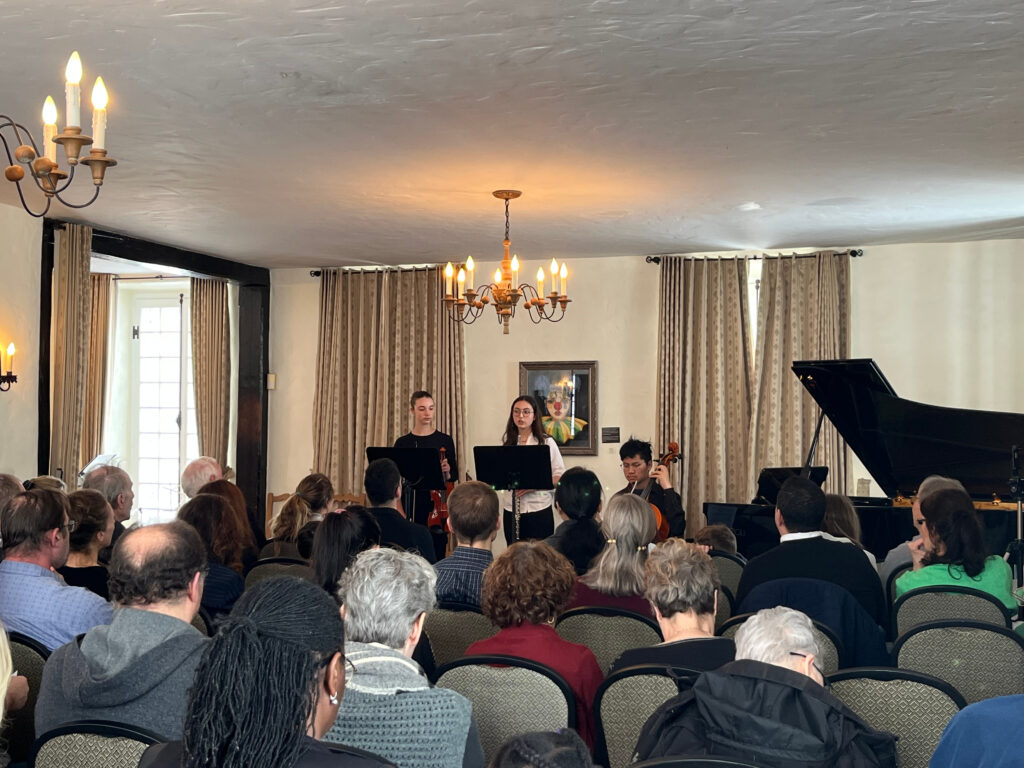
There is no better place to experience the magic of small-scale classical music than in a setting built for it. That is why OSJVS proudly hosts its specialized Chamber Music Projects at the historic Maison Trestler right here in Vaudreuil-Dorion.
With its magnificent late-18th-century stone architecture and rich local heritage, Maison Trestler provides the perfect acoustic and visual backdrop for chamber music. Whether it’s our annual Piano Concerto & Chamber Music showcases or collaborative projects featuring elite guest soloists (like clarinettist Martine Lepage), these concerts offer our audience a rare, close-up look at the artistry of our youth.
When our students perform at Maison Trestler, they are not just playing historical pieces by the masters—they are continuing a centuries-old tradition of intimate musical connection.
Join the Music
Are you a young musician in the Vaudreuil-Soulanges region looking to sharpen your ensemble skills? Or a music lover eager to support local youth culture?
Musicians: Discover our junior and senior programs and sign up for an audition.
Audience: Check out our upcoming concert schedule and secure your tickets to experience our next performance!