How to Read Saxophone Fingering Chart
Filled (solid) circles = press the key
Open circles = leave the key unpressed
The top row shows your left hand (including thumb)
The bottom row shows your right hand
Small circles = side or auxiliary keys (used for certain notes)
The octave key (thumb, back of the saxophone) is shown separately at the top
Keep your fingers close to the keys for better speed and control
SAXOPHONE CHART
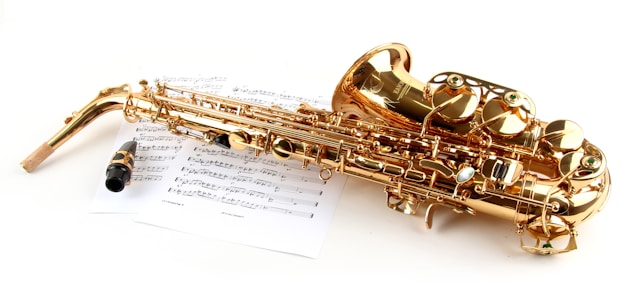
The Anatomy of Your Saxophone
Mouthpiece
The part where you place your lips and blow air. It holds the reed and helps produce sound.
Reed
A thin piece of cane attached to the mouthpiece. It vibrates to create the saxophone’s sound.
Neck
The curved section that connects the mouthpiece to the body. Air travels through it into the instrument.
Body
The main section of the saxophone. It houses most of the keys. Your left hand operates the upper keys while your right hand controls the lower section.
Keys
Metal mechanisms that open and close tone holes to produce different notes.
Bell
The wide end of the saxophone where the sound exits and projects outward.
Take Your Playing to the Next Level
Join Our Musical Community
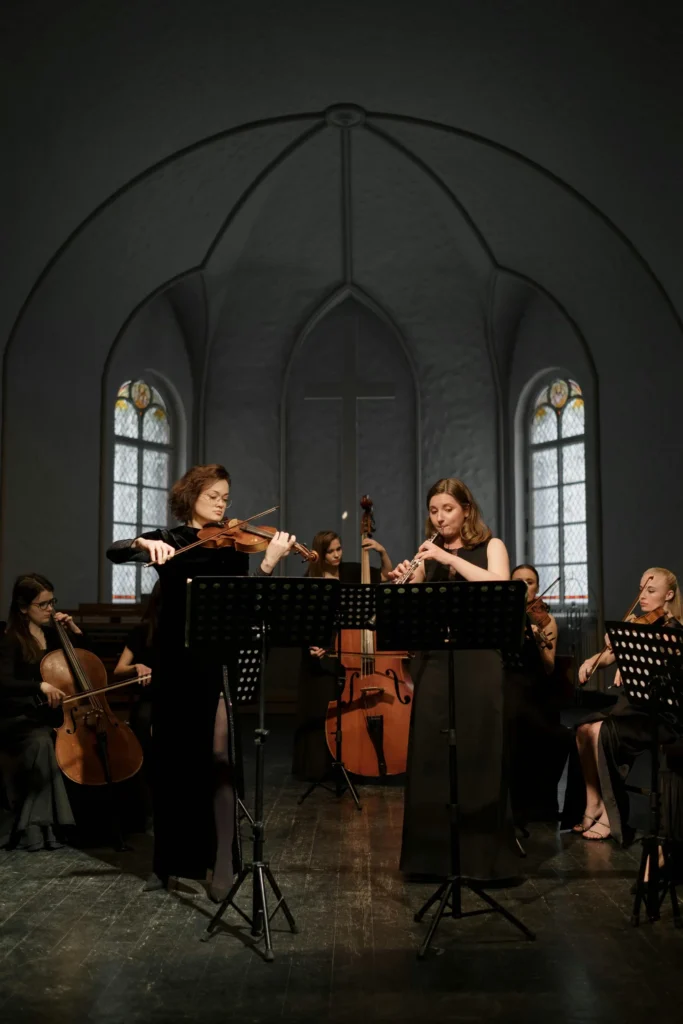
Now that you have the essential tools and techniques, it’s time to apply them in a supportive, inspiring environment. L’Orchestre symphonique des jeunes de Vaudreuil-Soulanges (OSJVS) welcomes dedicated flutists ready to grow.
Playing in an orchestra develops skills no amount of solo practice can teach: listening, blending, rhythm precision, and musical collaboration. We’re always looking for passionate musicians.
Newsletter / Infolettre
Sign up with your email address to receive news and updates about OSJVS community concerts.
Inscrivez-vous avec votre adresse courriel pour recevoir des nouvelles et des mises à jour concernant les concerts communautaires de l’OSJVS.